Jewry Wall Museum
Scheduled Ancient Monument, Planning & Listed Building Permissions | Heritage Conservation & Adaptive Reuse | Fabric Preservation | Spatial Reorganisation & Accessibility | Low Carbon Technologies
Location: Leicester
Date: 2014-2025
Role: Lead Designer, Conservation Architect
Heritage: Grade II, Scheduled Ancient Monument, Grade I setting
Balancing conservation, accessibility and adaptive reuse:
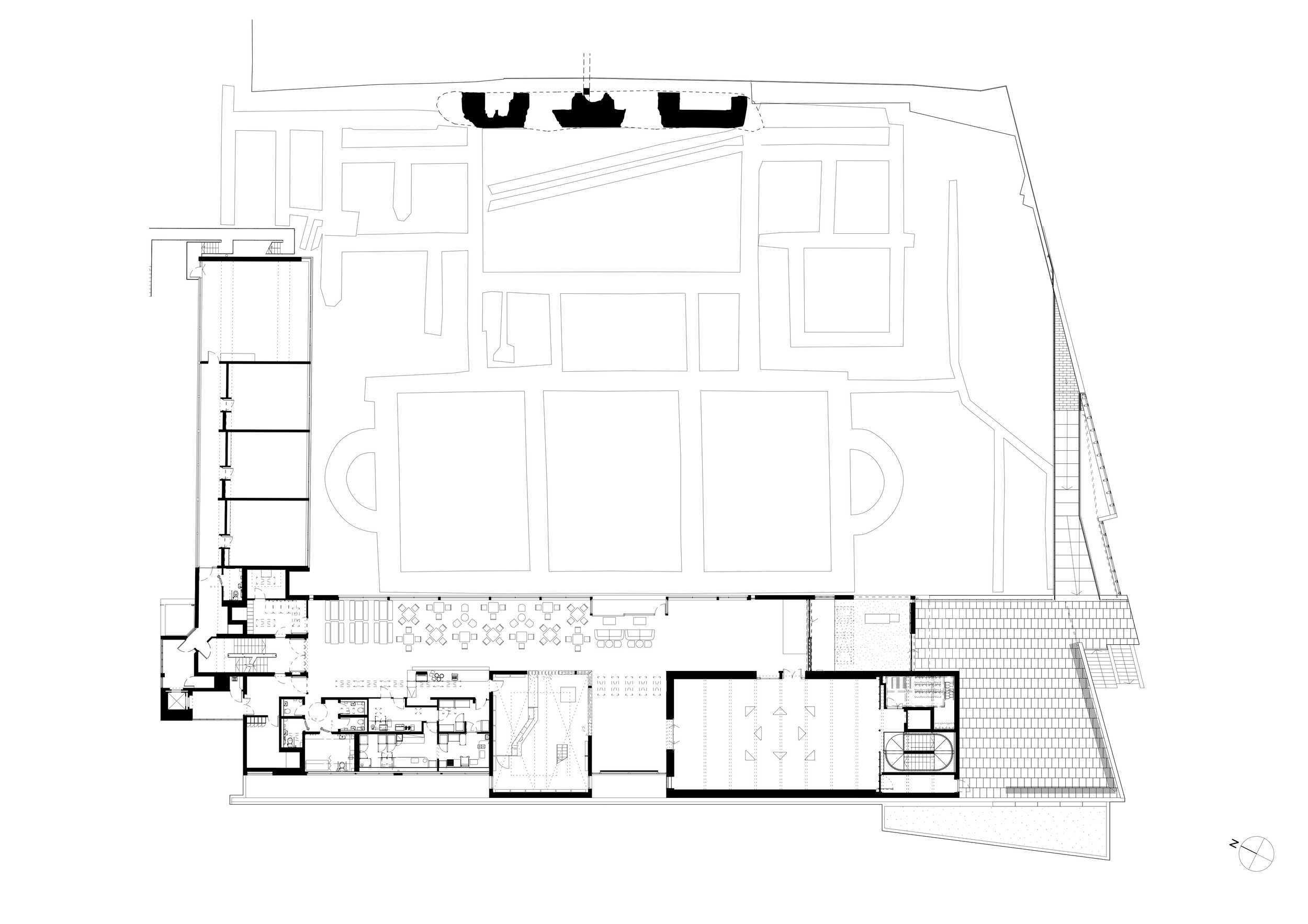
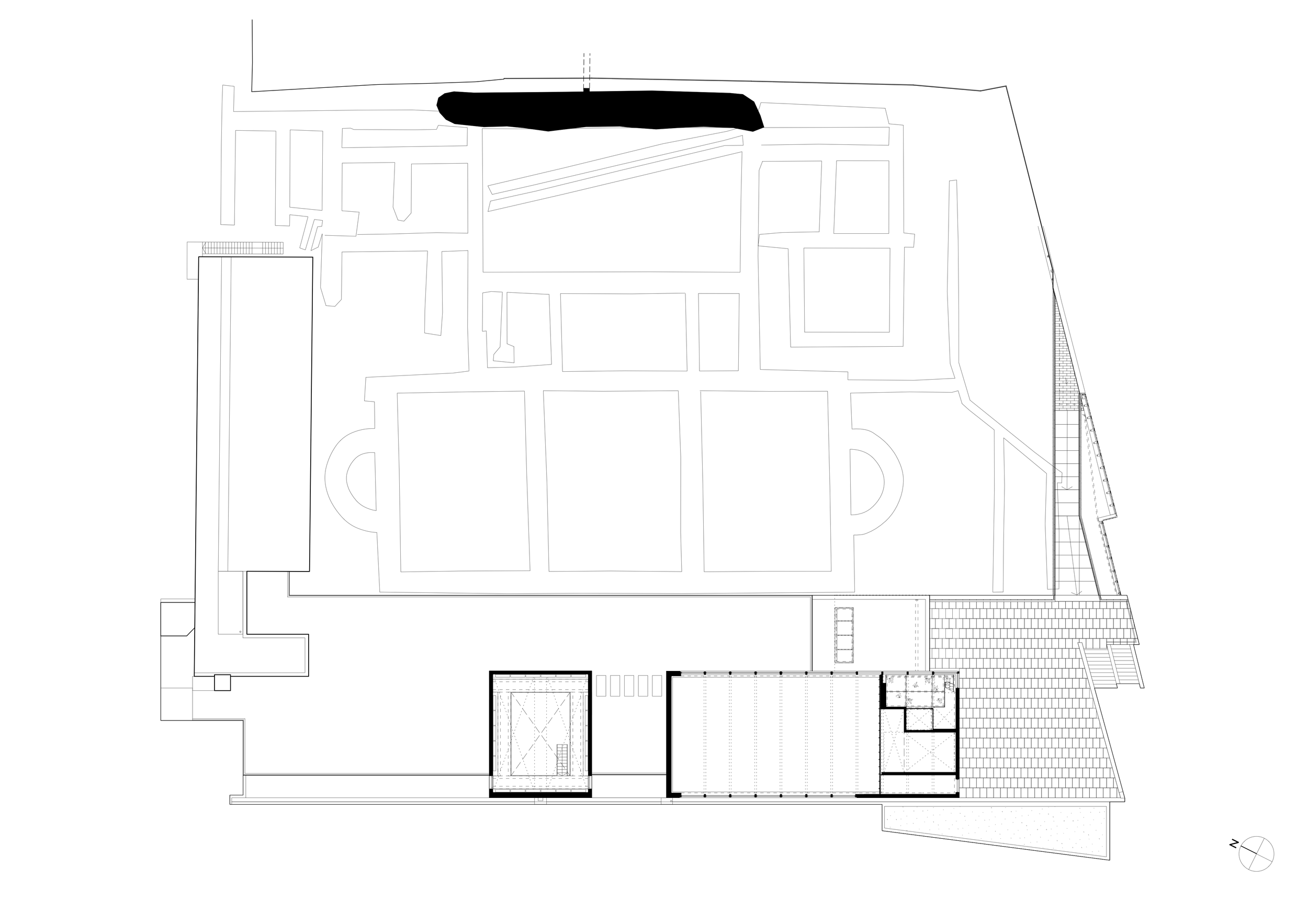
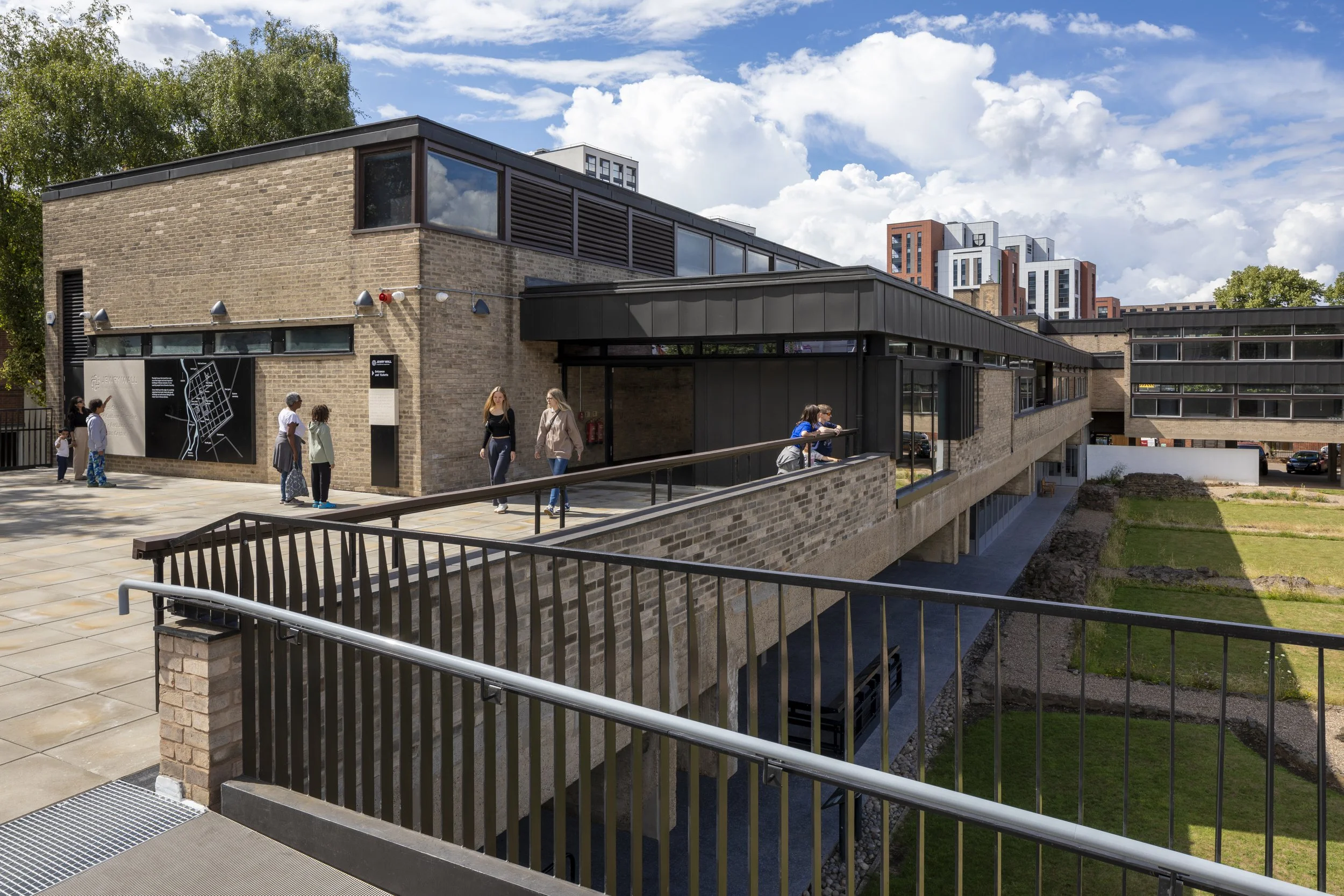
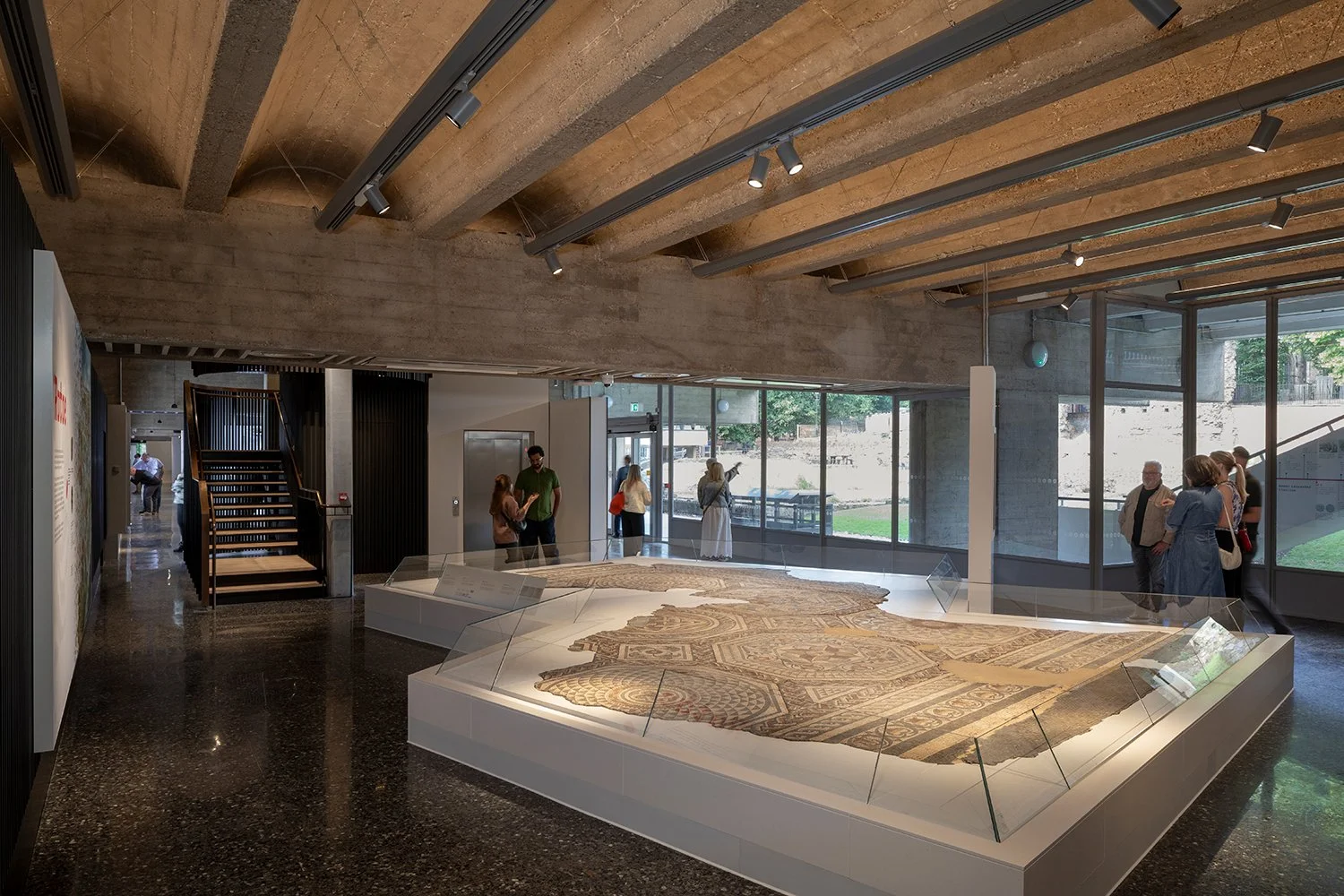
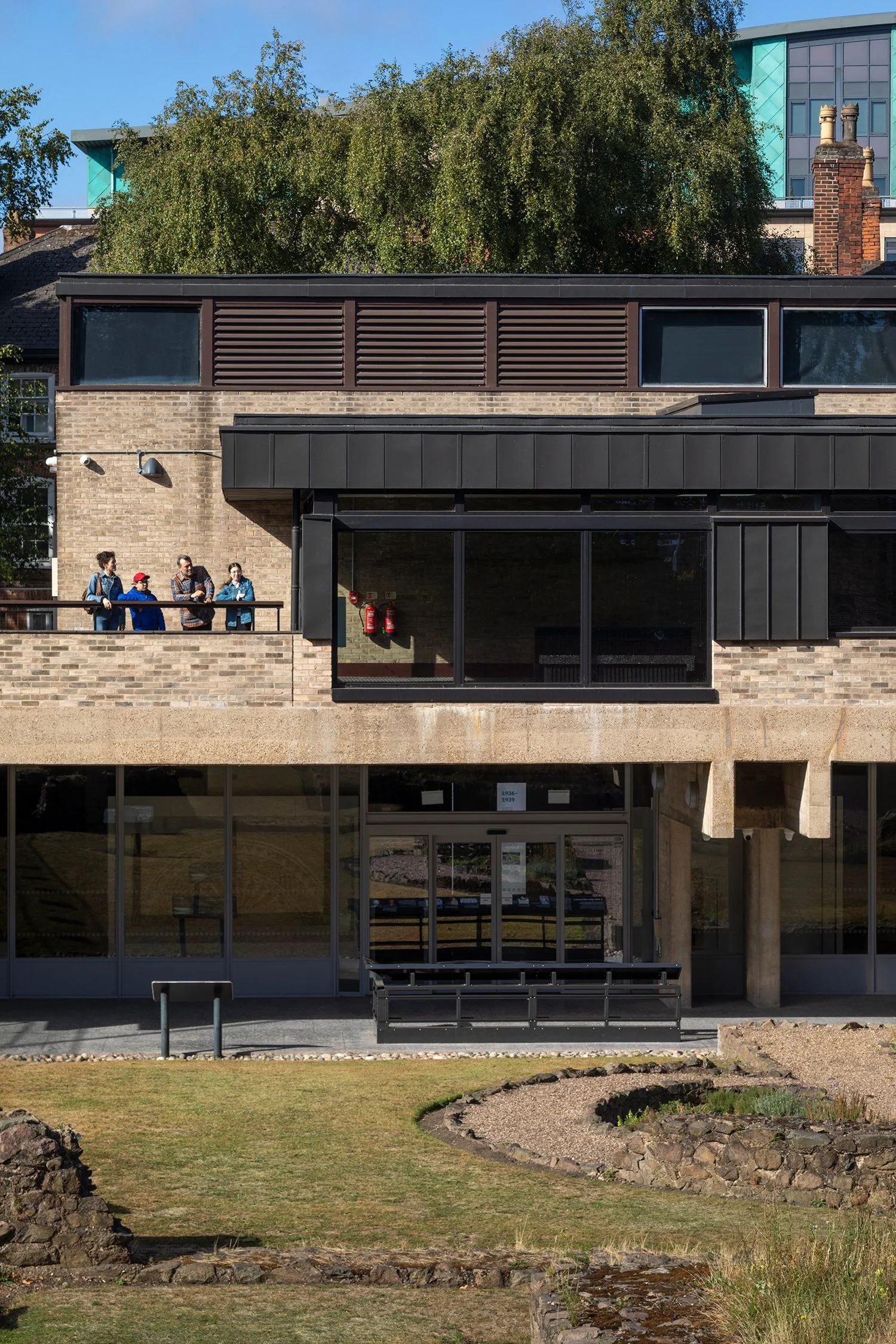
Levitate, as lead design and conservation architects, oversaw the extensive transformation of Leicester's Grade II listed Vaughan College and the Jewry Wall Museum. Working directly within a Scheduled Ancient Monument of Leicester's Roman Bathhouse, the project masterfully balances heritage preservation with modern adaptive reuse — including a new step-free glazed entrance, an external archaeological walkway, and a seamless internal circulation route — to improve accessibility, expand exhibition spaces, and create an award-winning museum for the 21st century.
-
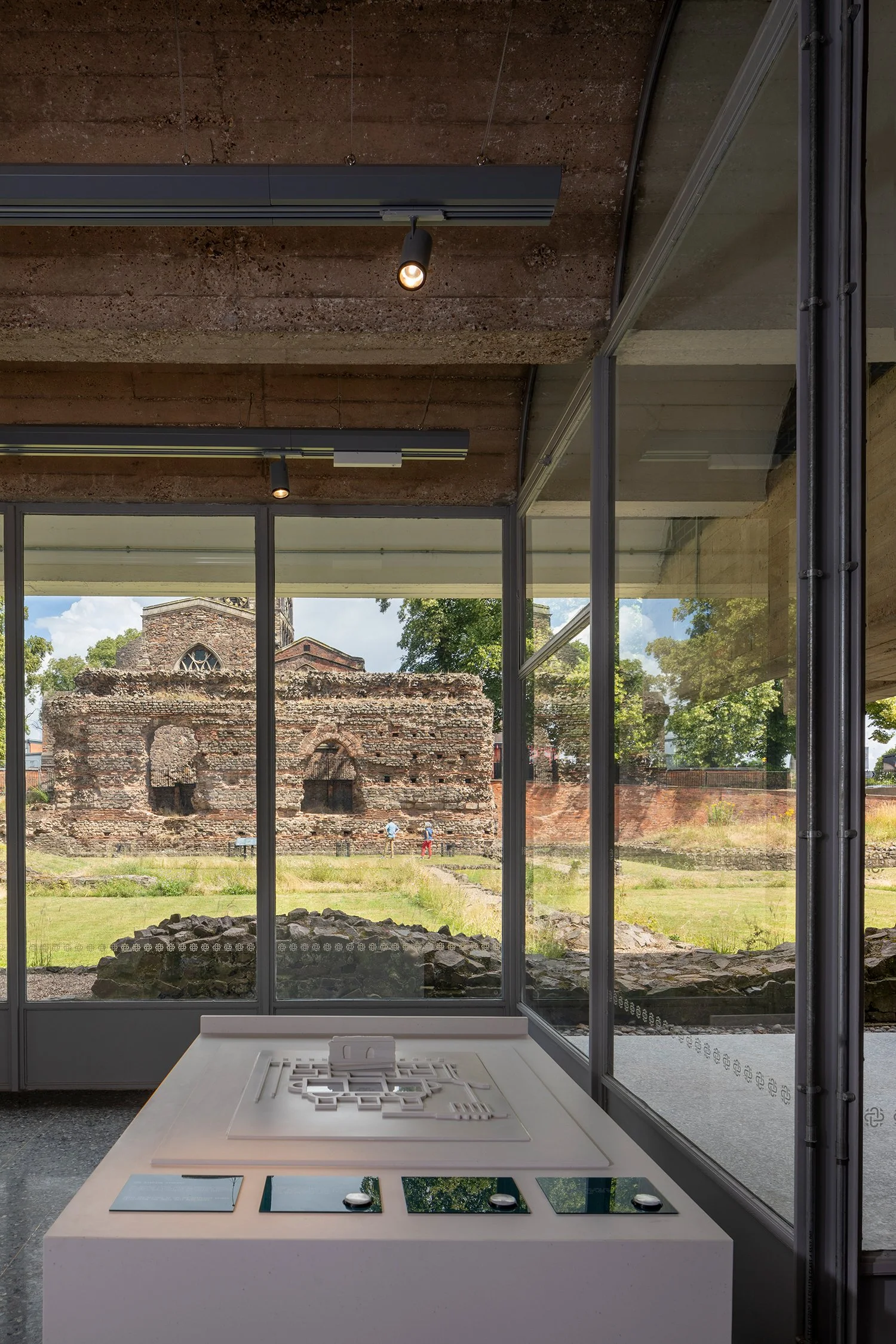
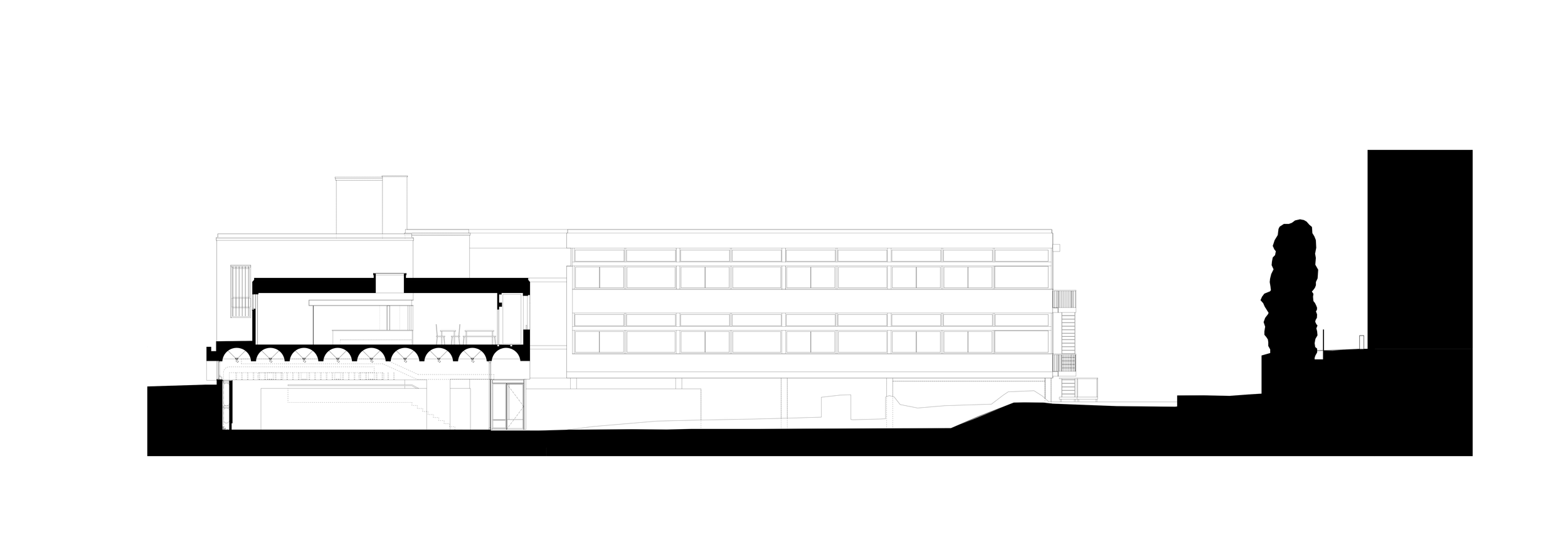
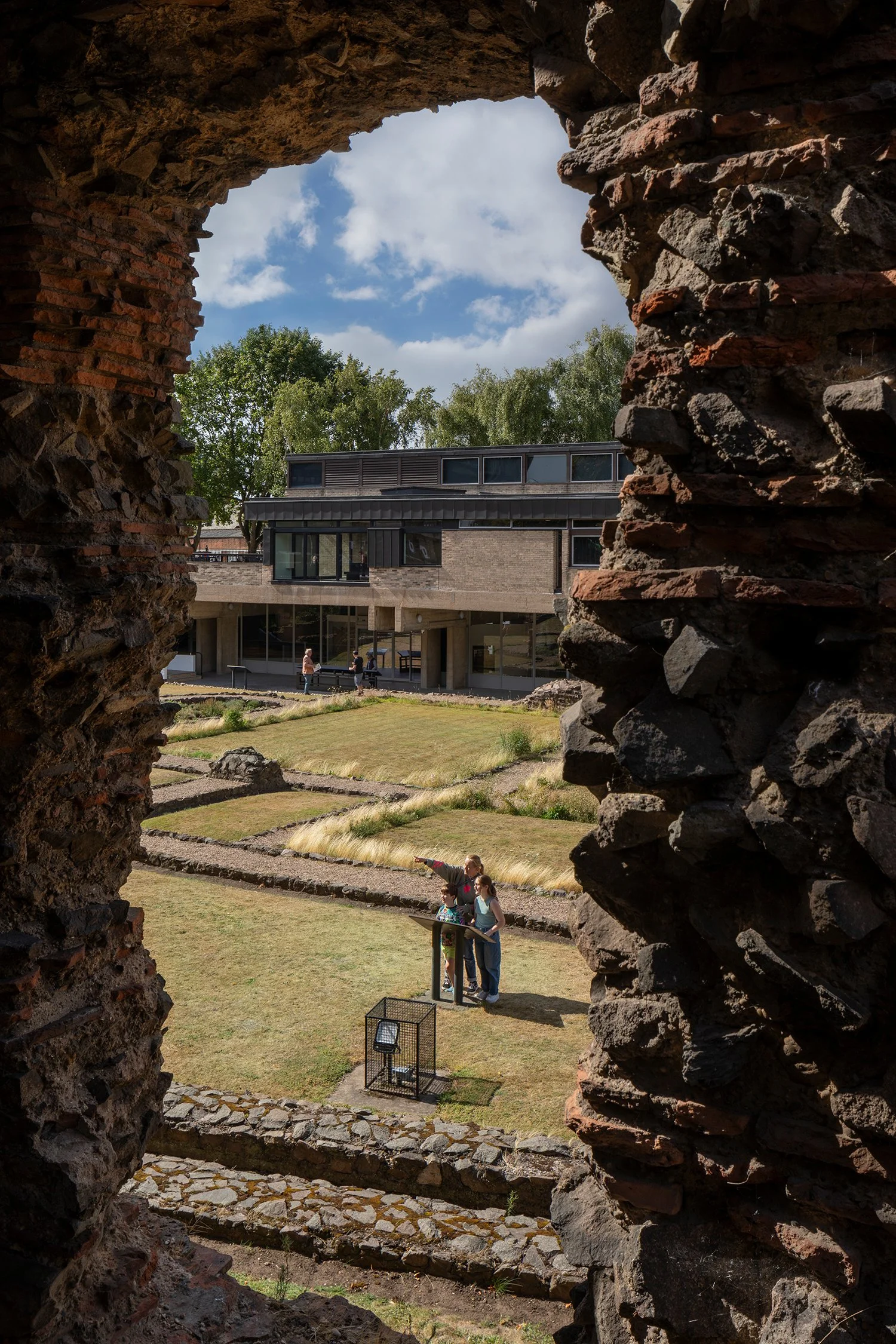
The Grade II listed Vaughan College houses the Jewry Wall Museum within its lower ground floor. Built between 1960–62 and designed by Trevor Dannatt RA, the Brutalist college was specifically constructed to frame and complement the adjacent Grade I listed Jewry Wall—one of the largest upstanding civilian Roman remains in the UK. The original building was uniquely designed to serve dual purposes: housing the museum and accommodating the University of Leicester's college of adult education.
-
In 2014, Levitate were commissioned as design and conservation architects to consider a series of strategic, crafted interventions that would respect the complexities of Trevor Dannatt’s original architecture while allowing for its sensitive adaptation to form an expanded, fully accessible nationally significant museum. The closure of Vaughan College in 2013 created a major opportunity to expand and upgrade the Museum of Roman Leicester. By repurposing the historic college spaces for increased exhibition and public use, the project aimed to secure the long-term viability of this significant Grade II heritage asset. Levitate led all aspects of the conservation works, commissioning extensive building fabric repair surveys and archaeological investigations to formulate specific methodologies and specifications. The team successfully managed the complex approvals process, securing Scheduled Ancient Monument Planning and Listed Building consents required for the works.
-
Adapting a mid-century Brutalist concrete structure tightly connected to a critical archaeological site presented distinct technical and structural challenges. Levitate addressed these through targeted architectural responses, preparing detailed design and fabrication information in hand with the main contractor on site from 2020:
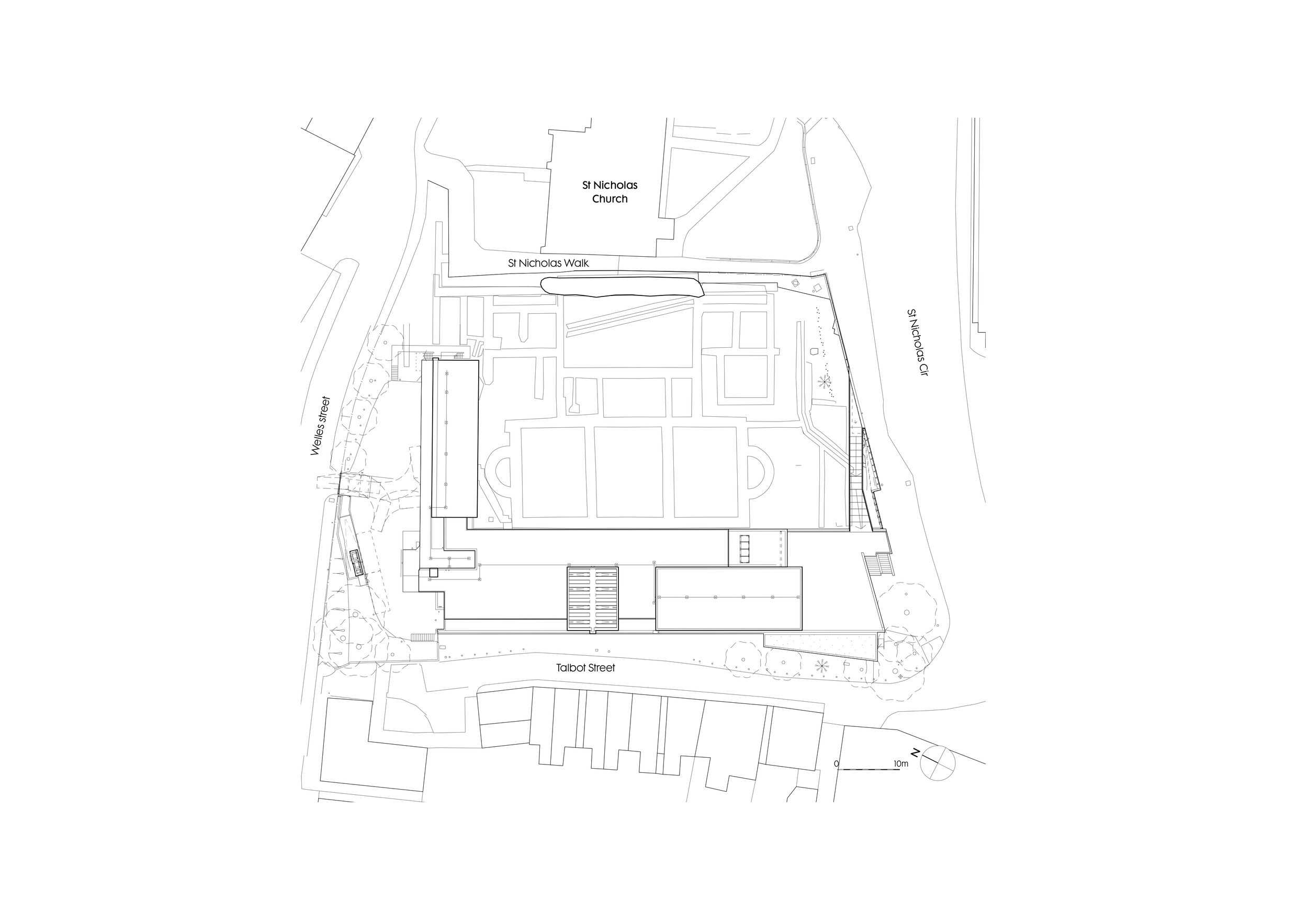
Integrating with Archaeology: A new external accessible walkway was introduced, with foundations meticulously sited to avoid impacting on the highly significant Scheduled Ancient Monument ruins.
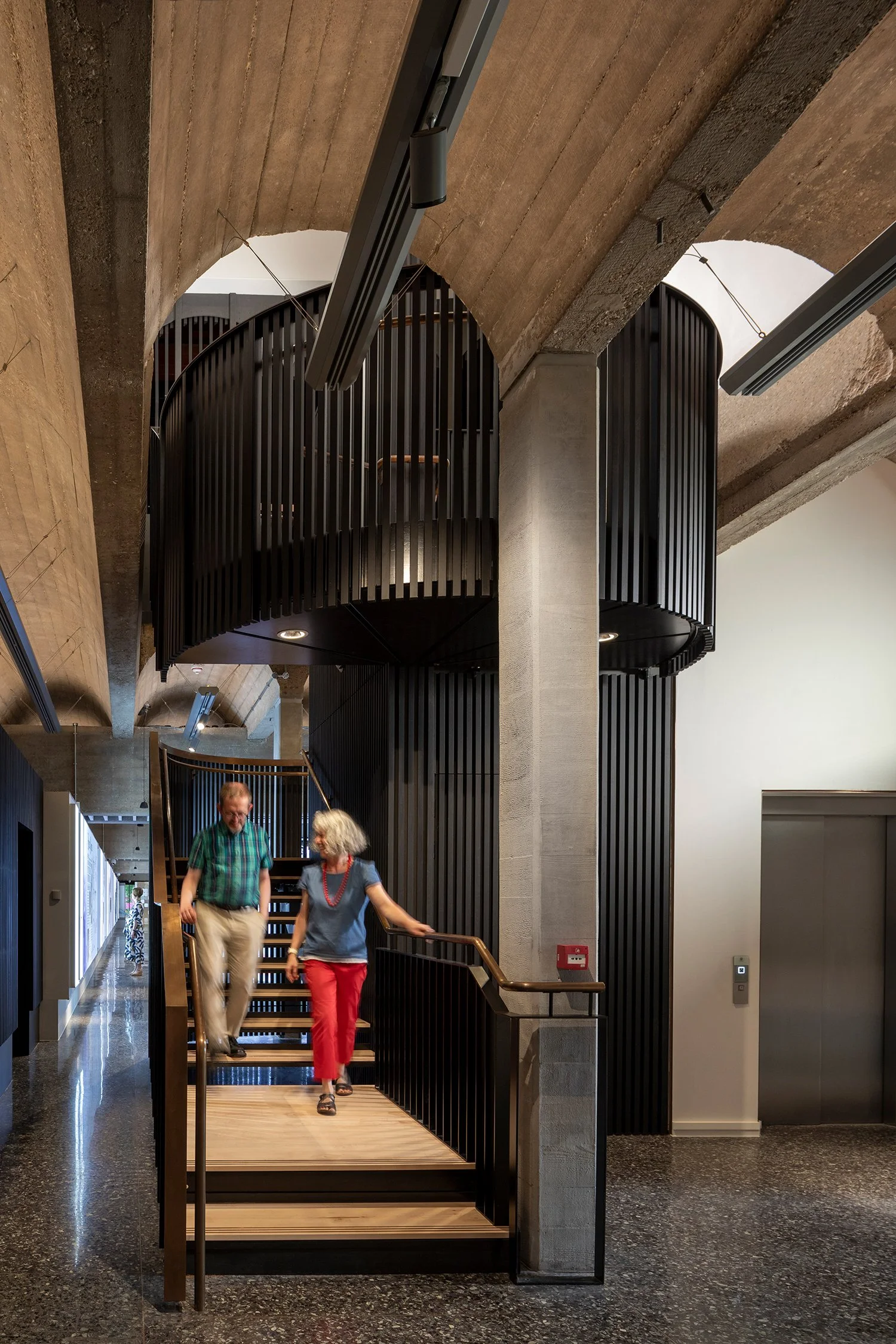
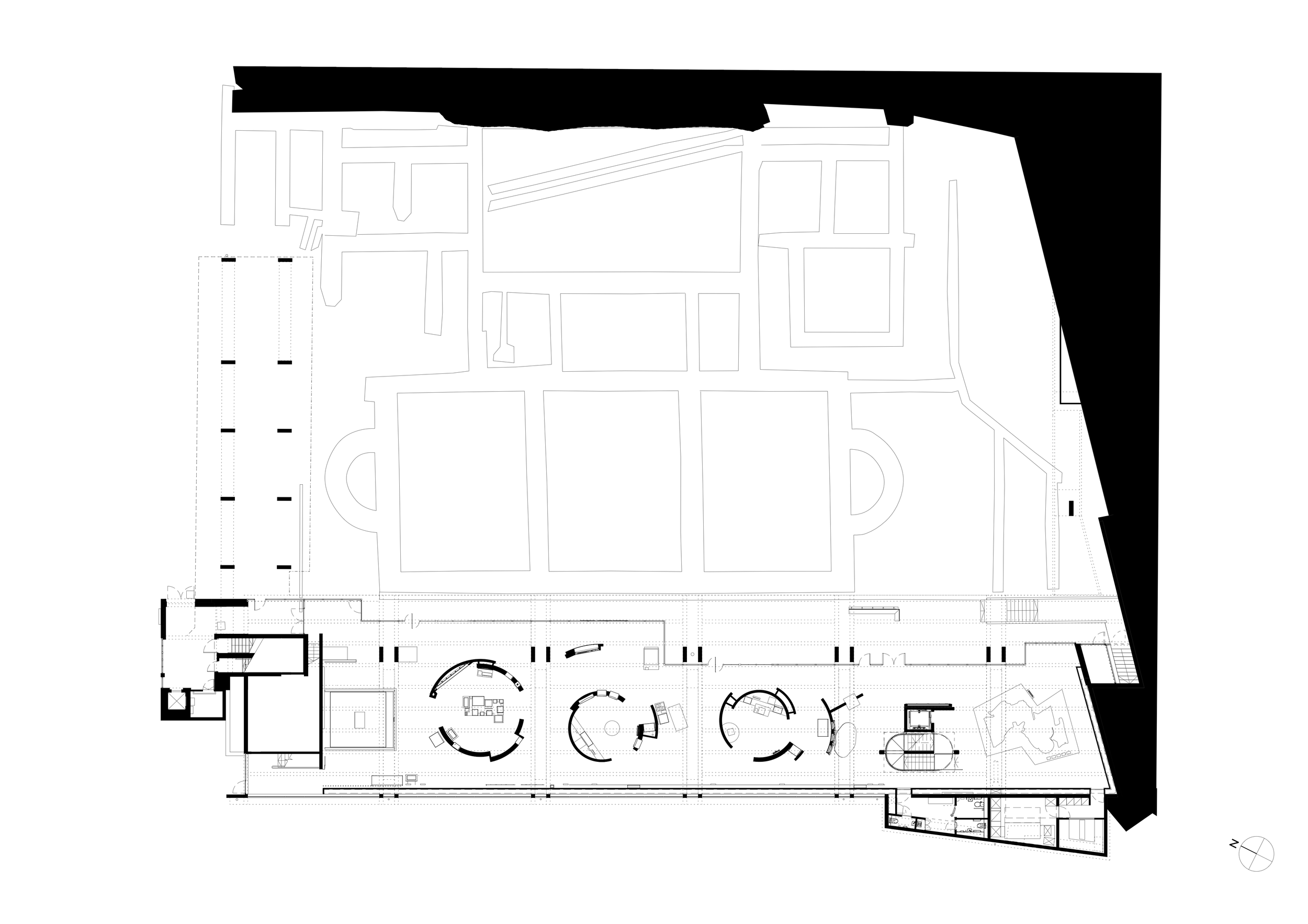
Improving Accessibility: A new feature staircase and lift were sliced directly through the existing concrete vaults, creating an accessible route that enables a seamless, circular visitor flow.
Enhancing the Entrance: A new accessible glazed entrance was seamlessly integrated into the original Dannatt porch and terrace to face the city centre.
Modernising Services: A sophisticated MEP strategy discretely integrates all services within the exposed concrete vaults, paired beams, and exhibition linings.
Upgrading Performance: The building's thermal envelope was enhanced through new roof coverings
Conservation: cleaning & repair of the concrete structure, masonry and timber work, with Levitate leading on all aspects of conservation works gaining Scheduled Ancient Monument and Listed Building consent, as well as commissioning surveys for extensive building fabric repairs for concrete, fascia panels, windows, cladding and archaeological investigations.
-
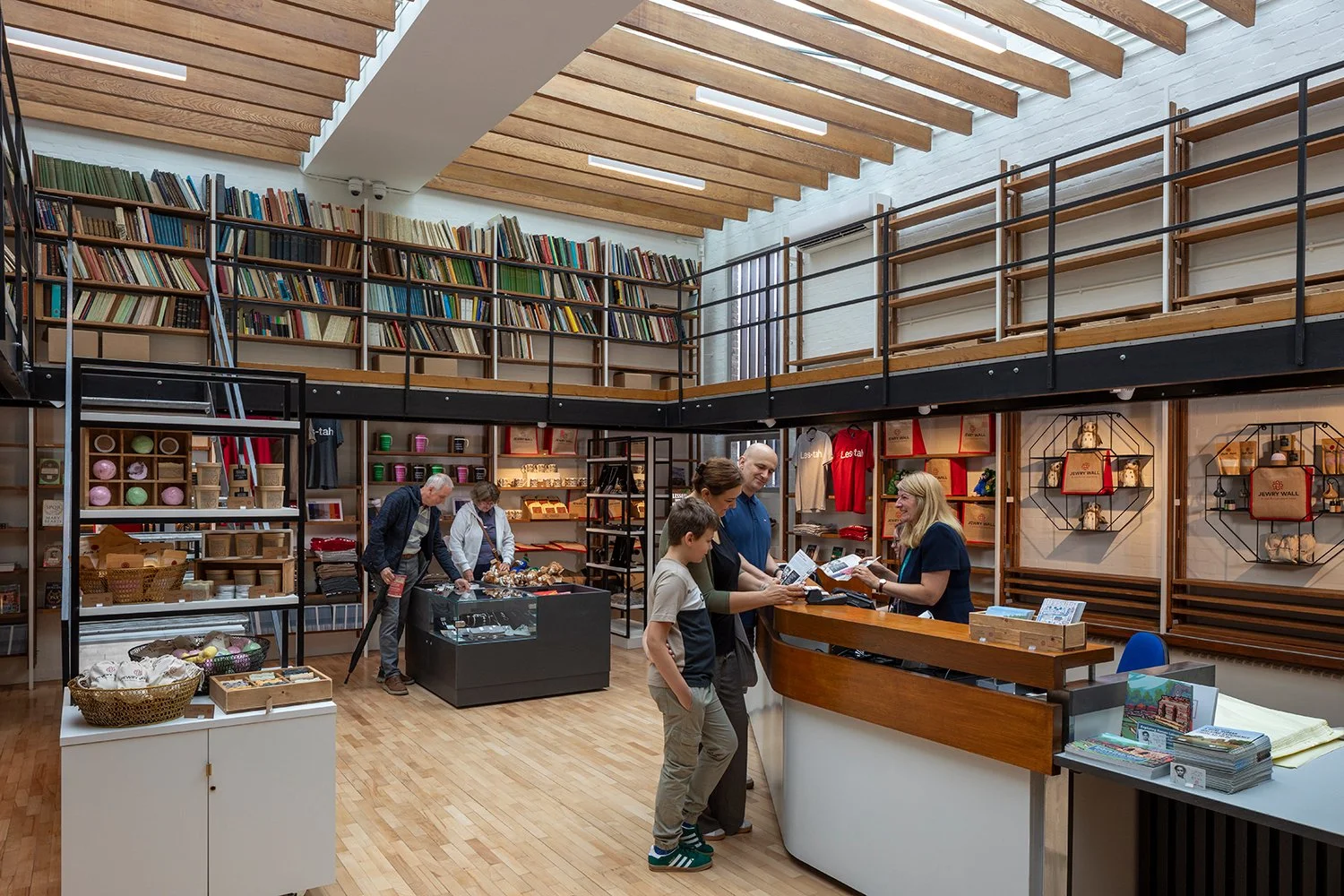
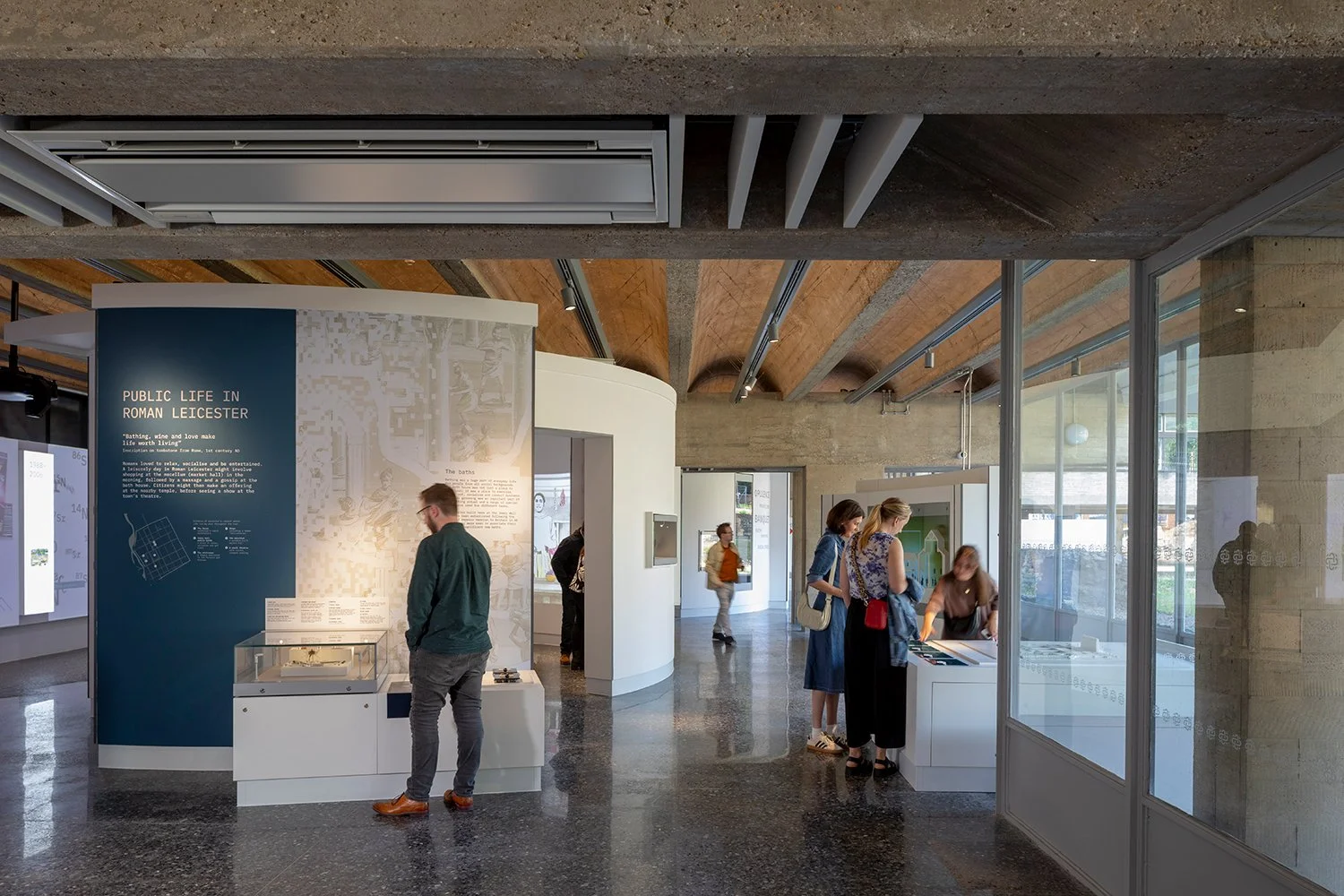
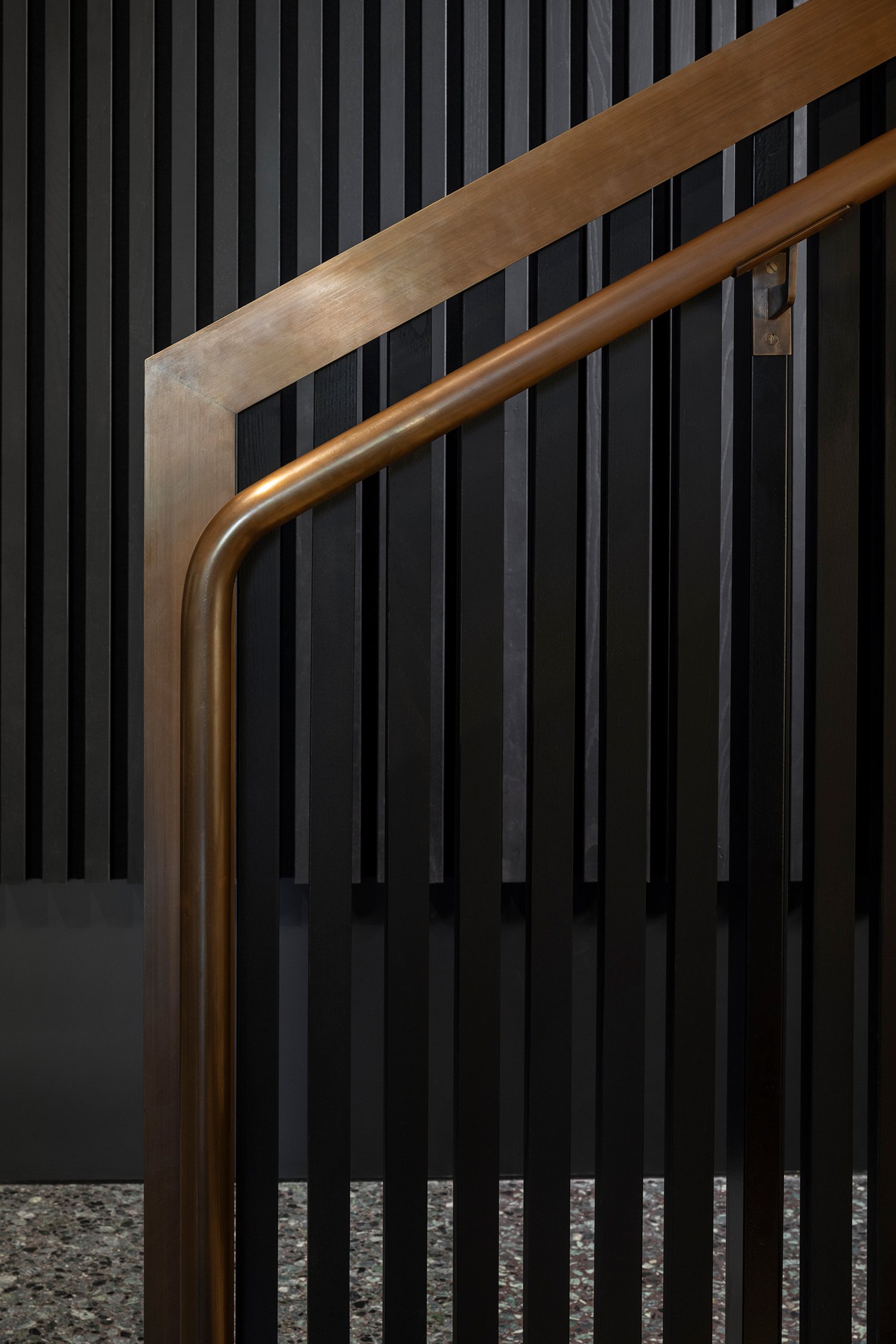
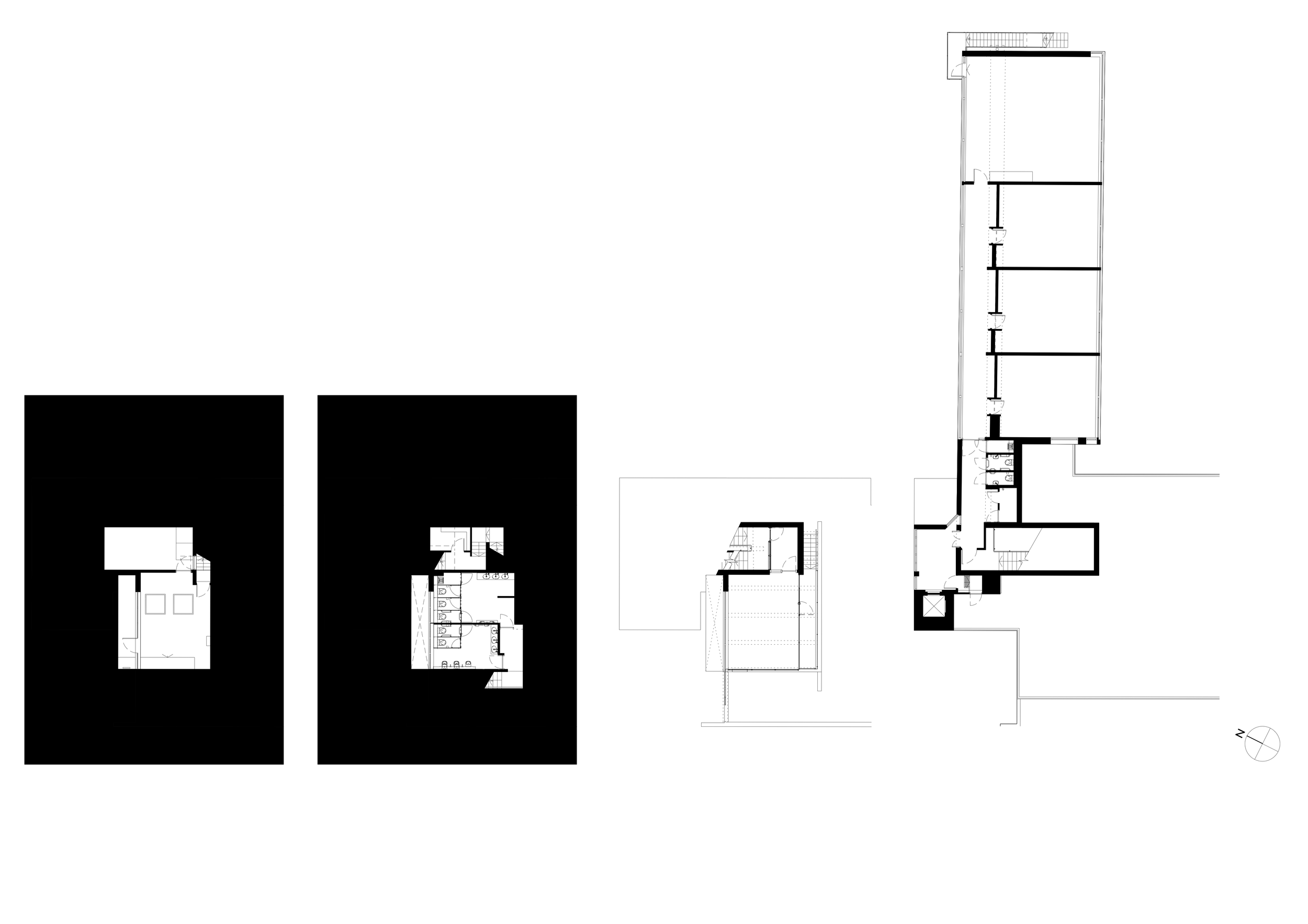
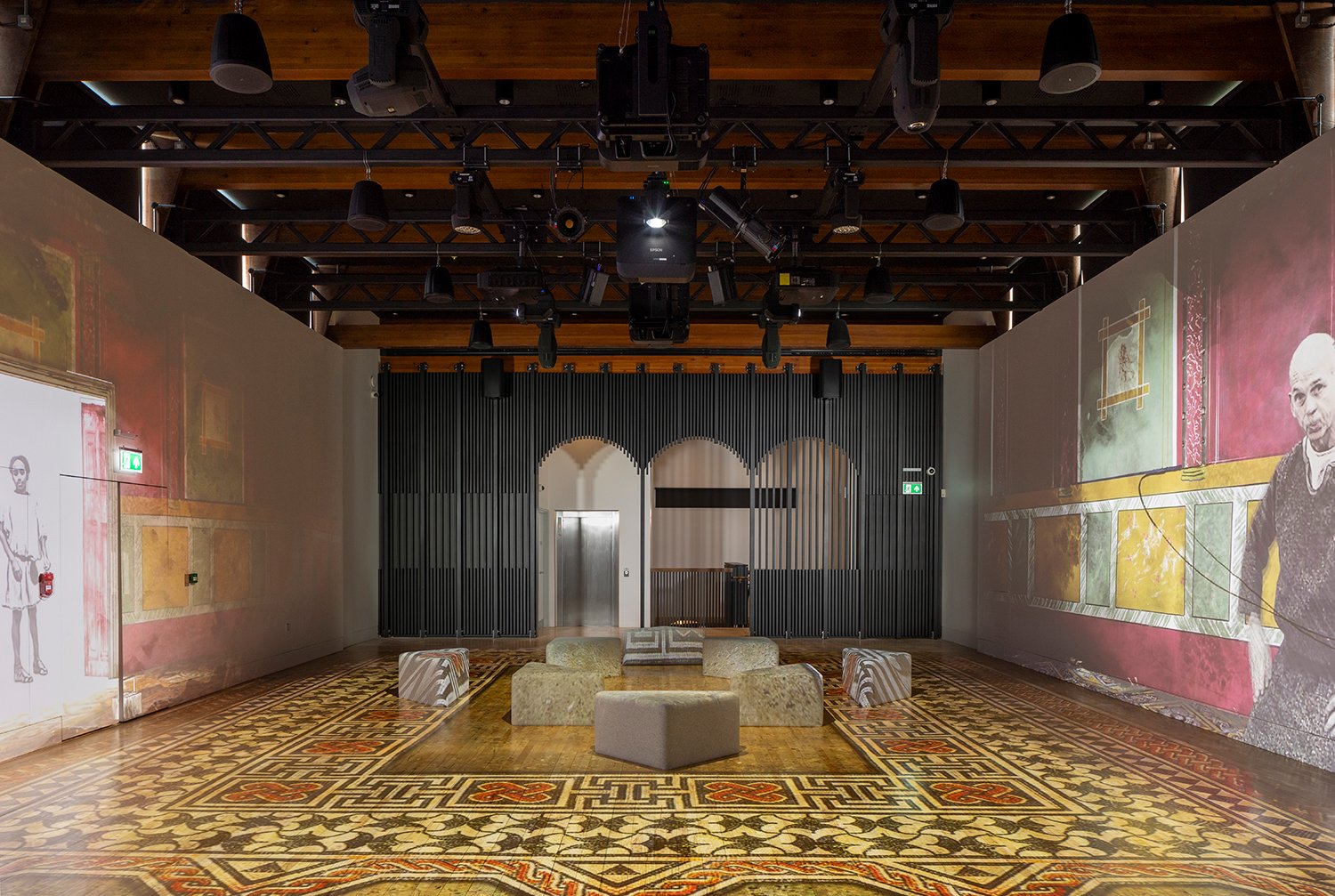
These precise interventions provide the backdrop for a new, world-class visitor centre that brings the entire museum back into public use. The revitalised internal layout opens up the former library into a central retail space overlooking the Jewry Wall, while the main hall uses decorative timber screening to subdivide the historic assembly space into a flexible, immersive gallery. Coupled with extensive conservation, cleaning, and repairs to the original concrete, masonry, and woodwork, the project delivers vital new teaching and school outreach facilities while safeguarding the future of this exceptional and significant 20th-century building.
Winner: Procon's Large Non-Residential Project of the Year 2025
Finalist: Procon's Regeneration Award 2025
Finalist: RICS Heritage Award 2026.

“A case study in sensitive adaptation of post‑war public architecture”
Owen Hatherley, Building • read more here